
Quick Answer
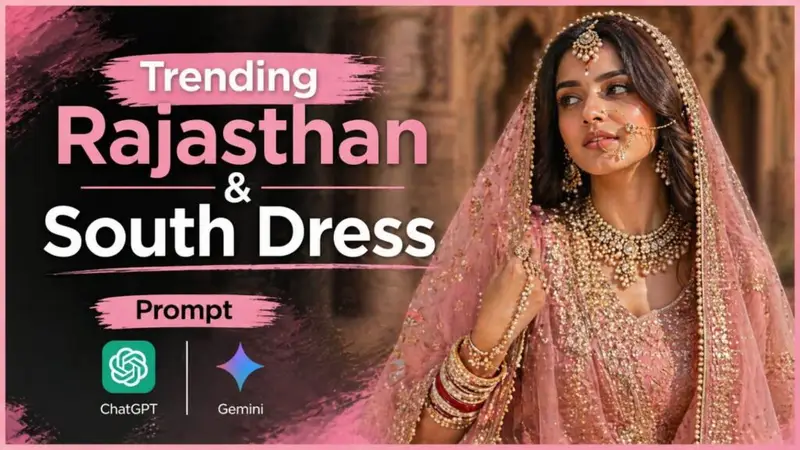
A Rajasthani Rajputi Poshak Saree Prompt is a detailed AI instruction used with ChatGPT, Gemini, and modern AI image generators to create realistic portraits featuring traditional Rajputi attire. A well-written prompt includes details about the royal outfit, jewellery, hairstyle, palace background, lighting, colours, and cultural elements to produce elegant AI portraits inspired by Rajasthan’s royal heritage.
Table of Contents
- Introduction
- What Is a Rajasthani Rajputi Poshak Prompt?
- History of Rajputi Poshak
- Why Rajputi AI Portraits Are Trending
- Traditional Elements That Improve AI Images
- Benefits of Using AI for Traditional Portraits
- Best AI Image Generators Compared
- How AI Creates Realistic Traditional Portraits
- Step-by-Step Guide
- Best Practices Before Using Any Prompt
- Prompt Sections (Part 2)
- Expert Tips (Part 2)
- FAQs (Part 2)
Introduction
India’s traditional clothing represents centuries of craftsmanship, culture, and regional identity. Among the country’s most elegant traditional outfits, the Rajasthani Rajputi Poshak is admired for its royal appearance, vibrant colours, intricate embroidery, and timeless beauty. Worn during weddings, festivals, cultural celebrations, and royal ceremonies, this traditional attire continues to inspire fashion designers, photographers, and artists around the world.
In recent years, AI image generation has introduced a new way to appreciate this cultural heritage. Instead of organizing expensive photoshoots or wearing elaborate traditional attire, people can now create realistic Rajputi Poshak AI portraits using ChatGPT, Gemini, and other advanced AI image generators. By combining a clear reference image with a carefully written prompt, AI can generate portraits that capture the elegance of traditional Rajasthani fashion while preserving realistic facial features and natural lighting.
The growing popularity of AI-generated traditional portraits can be seen across Instagram, Pinterest, Facebook, and digital art communities. Many users create these portraits to celebrate Rajasthan’s rich culture, design wedding invitations, produce festival-themed social media content, or simply explore Indian heritage through AI-assisted creativity. The combination of royal clothing, detailed jewellery, palace architecture, and cinematic photography creates visually stunning results that often resemble professional editorial photographs.
However, the quality of an AI-generated portrait depends largely on the quality of the prompt. Simply asking AI to create a “Rajputi dress photo” usually produces average results. A well-crafted prompt provides detailed instructions about the ghagra, kanchli, odhni, jewellery, colours, fabrics, embroidery, background architecture, lighting, camera perspective, and overall atmosphere. These details help the AI understand not only the appearance of the outfit but also the cultural context that makes Rajputi attire unique.
Whether you are creating digital artwork for personal use, cultural appreciation, festival celebrations, bridal inspiration, or social media content, this guide will help you understand how to create realistic and respectful AI portraits inspired by Rajasthan’s royal traditions. You’ll also discover the best AI tools, learn practical prompt-writing techniques, and prepare for the premium prompts included later in this guide.
What Is a Rajasthani Rajputi Poshak Prompt?
A Rajasthani Rajputi Poshak Prompt is a detailed instruction written for an AI image generator that describes how to create a portrait featuring traditional Rajputi clothing and cultural elements. Rather than focusing only on the outfit, a complete prompt also specifies jewellery, hairstyle, facial expression, background, lighting, camera angle, and artistic style.
The purpose of the prompt is to help AI understand how every visual element should work together to create a realistic and culturally respectful portrait.
A complete Rajputi Poshak prompt often includes:
- Traditional Rajputi Poshak
- Ghagra
- Kanchli
- Odhni (veil)
- Gota Patti embroidery
- Mirror work
- Kundan jewellery
- Polki jewellery
- Traditional bangles
- Nath (nose ring)
- Maang Tikka
- Palace or Haveli background
- Sandstone architecture
- Desert golden-hour lighting
- Natural facial expression
- Royal posture
- Professional DSLR photography
- Ultra-realistic image quality
The more descriptive the prompt becomes, the easier it is for AI to generate portraits that feel authentic instead of appearing like generic costume photographs.
History of Rajputi Poshak
The Rajputi Poshak is one of Rajasthan’s most iconic traditional outfits and has long been associated with royalty, dignity, and cultural identity. Historically worn by Rajput women, the attire reflects centuries of artistic craftsmanship and regional traditions that have been passed down through generations.
A traditional Rajputi Poshak generally consists of three primary garments:
- Ghagra – A beautifully embroidered long skirt.
- Kanchli – A fitted blouse or bodice.
- Odhni – A long decorative veil draped gracefully over the head and shoulders.
These garments are often decorated with Gota Patti embroidery, mirror work, zari detailing, hand embroidery, and vibrant colours such as red, maroon, royal blue, emerald green, yellow, and pink. Rich fabrics like silk, georgette, chiffon, velvet, and brocade further enhance the regal appearance of the outfit.
Traditional jewellery also plays an essential role. Kundan necklaces, Polki sets, bangles, Nath, Maang Tikka, Bajubandh, and traditional earrings complete the royal look that has become synonymous with Rajput culture.
Understanding these cultural details helps AI generate more realistic portraits because the prompt accurately reflects the attire’s historical characteristics.
Why Rajputi AI Portraits Are Trending
Traditional AI portraits have become increasingly popular because they allow people to celebrate India’s cultural heritage in creative and accessible ways. Instead of arranging elaborate photoshoots, users can create elegant digital portraits that highlight traditional fashion, architecture, and craftsmanship.
These portraits are commonly used for:
- Wedding invitations
- Bridal inspiration
- Festival greetings
- Cultural celebrations
- Instagram posts
- Pinterest inspiration
- Facebook covers
- WhatsApp profile pictures
- Digital artwork
- Family keepsakes
AI-generated Rajputi portraits have also gained popularity among photographers, designers, and fashion enthusiasts who want to visualize different outfit combinations before real photoshoots.
Because AI continues to improve in generating realistic fabrics, jewellery, facial expressions, and architectural backgrounds, these portraits now appear significantly more natural than earlier generations of AI artwork.
Traditional Elements That Improve AI Images
When writing an AI prompt, including authentic cultural details significantly improves the realism of the final portrait.
Some of the most effective elements include:
Traditional Clothing
- Rajputi Ghagra
- Kanchli
- Odhni
- Royal Dupatta
Jewellery
- Kundan Necklace
- Polki Jewellery
- Nath
- Maang Tikka
- Bangles
- Bajubandh
- Earrings
Background
- Rajasthani Haveli
- Royal Palace
- Sandstone Courtyard
- Traditional Jharokha
- Desert Landscape
- Historic Fort
Lighting
- Golden Hour
- Soft Morning Light
- Warm Natural Sunlight
- Palace Interior Lighting
Photography Style
- DSLR Photography
- Ultra-realistic Portrait
- Cinematic Colour Grading
- HDR Quality
- Shallow Depth of Field
These elements work together to create AI portraits that feel elegant, culturally respectful, and visually authentic.
Benefits of Using AI for Traditional Portraits
Celebrate Indian Culture
AI makes it easier to explore and appreciate traditional Indian clothing through digital creativity.
Save Time and Cost
Create royal-style portraits without arranging expensive photoshoots or renting traditional outfits.
Unlimited Creative Freedom
Experiment with different colours, jewellery, palace backgrounds, lighting styles, and photography compositions.
Professional Results
Modern AI tools generate high-resolution portraits that resemble professional editorial photography.
Perfect for Social Media
These portraits work beautifully for Instagram, Pinterest, Facebook, festival posts, and wedding inspiration.
Best AI Image Generators Compared
| AI Tool | Best For | Free Version | Overall Quality |
|---|---|---|---|
| ChatGPT Images | Realistic traditional portraits | ✅ Yes | ⭐⭐⭐⭐⭐ |
| Google Gemini | Natural colour rendering | ✅ Yes | ⭐⭐⭐⭐☆ |
| Leonardo.ai | Fashion and royal portraits | Limited | ⭐⭐⭐⭐⭐ |
| Midjourney | Artistic cultural illustrations | Paid | ⭐⭐⭐⭐⭐ |
| Flux AI | Ultra-realistic traditional photography | Limited | ⭐⭐⭐⭐⭐ |
How AI Creates Realistic Traditional Portraits
Modern AI image generators analyze the prompt to understand how clothing, jewellery, architecture, lighting, and facial features should appear together. Instead of simply placing traditional clothing onto a person, AI predicts how fabrics drape, how jewellery reflects light, how palace backgrounds interact with sunlight, and how colours complement each other.
Adding instructions such as “preserve exact facial identity,” “realistic silk fabric texture,” “traditional Rajputi jewellery,” “warm golden-hour lighting,” and “royal palace courtyard” helps the AI generate more convincing portraits.
Step-by-Step Guide
- Choose a clear, high-resolution portrait.
- Open ChatGPT, Gemini, or another AI image generator.
- Copy a detailed Rajputi Poshak prompt.
- Describe the clothing, jewellery, background, and lighting.
- Generate multiple variations.
- Refine only one or two prompt details if needed.
- Download the highest-quality version.
Best Practices Before Using Any Prompt
For the most realistic AI portraits:
- Use a high-resolution reference image.
- Keep the face clearly visible.
- Mention traditional Rajputi clothing instead of generic “Indian dress.”
- Include authentic jewellery details.
- Use palace or haveli backgrounds.
- Specify warm natural lighting.
- Preserve natural facial features.
- Generate multiple versions before selecting the final image.
These simple practices greatly improve realism and help create AI portraits that respectfully showcase Rajasthan’s rich cultural heritage.
Prompt 1 – Royal Rajputi Palace Portrait
Why This Prompt Works
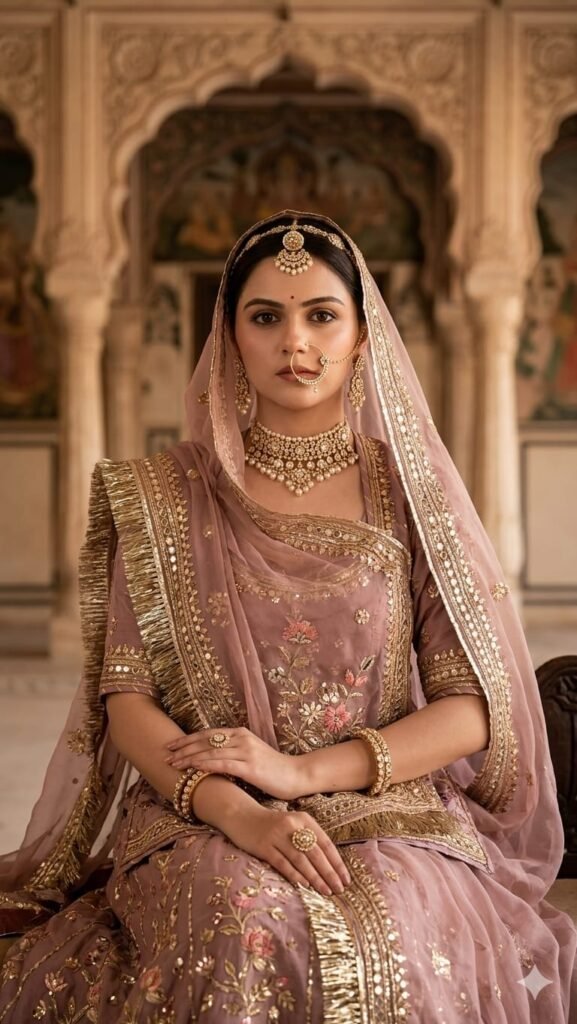
This prompt is designed to create a timeless royal portrait inspired by Rajasthan’s magnificent heritage. Rather than focusing only on the clothing, it combines traditional Rajputi attire with authentic palace architecture, elegant jewellery, natural facial expressions, and warm golden-hour lighting.
The AI understands the relationship between rich fabrics, intricate Gota Patti embroidery, sandstone architecture, and soft natural sunlight. This creates portraits that resemble professional bridal or heritage fashion photography instead of ordinary AI-generated artwork.
Including details such as a traditional Rajputi ghagra, kanchli, odhni, Kundan jewellery, Polki necklace, maang tikka, and royal haveli courtyard helps produce culturally rich and visually balanced images.
The final portrait is ideal for wedding inspiration, cultural celebrations, social media content, festival greetings, digital artwork, and portfolio photography.
Customization Tips
You can easily customize this prompt by changing:
- Palace location
- Dress colour
- Jewellery style
- Time of day
- Floral decorations
- Architectural style
- Camera angle
- Background lighting
These small changes create completely different portraits while preserving the authentic Rajputi aesthetic.
Prompt 2 – Traditional Rajputi Bridal Portrait
Why This Prompt Works
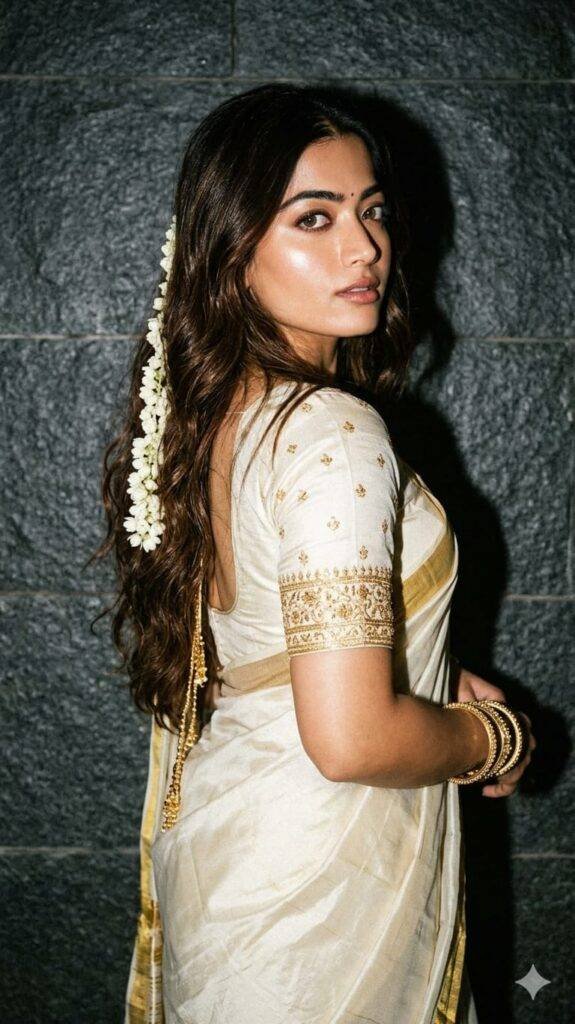
Bridal portraits require exceptional attention to detail, and this prompt focuses on the elements that make traditional Rajputi bridal photography so distinctive. Instead of simply describing a bridal outfit, it tells the AI how fabrics should drape, how jewellery should reflect light, and how the overall composition should convey grace and dignity.
Warm cinematic lighting, realistic silk textures, intricate embroidery, handcrafted jewellery, and palace-inspired backgrounds work together to create a luxurious editorial look. The AI is also instructed to preserve natural facial features, ensuring the final portrait remains elegant and recognizable.
This style works especially well for wedding invitations, bridal inspiration boards, family keepsakes, and traditional fashion portfolios.
Customization Tips
Try experimenting with:
- Red bridal Poshak
- Maroon velvet attire
- Emerald green Rajputi dress
- Royal blue silk outfit
- Ivory and gold colour combinations
- Palace interiors
- Heritage forts
- Traditional temple courtyards
Maintaining authentic jewellery and traditional styling helps preserve the cultural integrity of the portrait.
Customization Tips
You can replace the background with:
- City Palace
- Mehrangarh Fort
- Amer Fort
- Udaipur Lake Palace
- Traditional Haveli
- Desert Camp
- Historic Courtyard
- Royal Garden
Changing only the location gives each portrait a unique identity while preserving the same cultural style.
How to Customize Rajputi Poshak AI Prompts
One of the biggest advantages of AI-generated traditional portraits is flexibility. Instead of writing an entirely new prompt every time, you can modify only a few key elements while keeping the overall structure intact.
Popular customization options include:
- Outfit colour
- Embroidery style
- Jewellery
- Hairstyle
- Background
- Palace architecture
- Lighting
- Festival decorations
- Camera angle
- Photography style
For example, replacing a palace courtyard with a desert fort creates a completely different visual experience while maintaining the same royal atmosphere.
Likewise, changing golden-hour lighting to evening palace illumination creates a more dramatic cinematic portrait.
Expert Tips for Realistic Rajputi AI Portraits
Creating realistic traditional portraits requires attention to cultural details as much as technical quality.
For the best results:
- Use high-resolution reference photos.
- Request natural facial preservation.
- Mention authentic Rajputi attire instead of generic Indian clothing.
- Include traditional jewellery by name.
- Use realistic silk and velvet fabric textures.
- Add palace or haveli architecture.
- Use warm natural lighting instead of excessive HDR.
- Generate at least five variations before selecting the final image.
- Upscale the final portrait before downloading.
- Keep colour grading elegant and natural.
Common Mistakes to Avoid
Using Generic Clothing Descriptions
Terms such as “Indian dress” often produce inconsistent results. Mention Rajputi Poshak, Ghagra, Kanchli, and Odhni for better accuracy.
Ignoring Jewellery
Traditional Rajputi jewellery is an essential part of the overall appearance. Omitting these details makes portraits feel incomplete.
Overloading the Prompt
Adding too many artistic styles, colours, or backgrounds can confuse the AI and reduce image quality.
Unrealistic Backgrounds
Using unrelated locations may reduce authenticity. Heritage architecture and traditional settings usually work best.
Excessive Filters
Natural lighting generally produces more realistic and elegant portraits than heavily stylized visual effects.
Troubleshooting Guide
| Problem | Recommended Solution |
|---|---|
| Outfit doesn’t look traditional | Mention Rajputi Ghagra, Kanchli, Odhni, and Gota Patti embroidery. |
| Jewellery appears inaccurate | Specify Kundan, Polki, Maang Tikka, Nath, and traditional bangles. |
| Face changes too much | Add “preserve exact facial identity” to the prompt. |
| Colours appear unrealistic | Request warm natural lighting and balanced cinematic colour grading. |
| Background looks generic | Use a Rajput palace, haveli, fort, or sandstone courtyard. |
| Fabric lacks detail | Specify realistic silk, velvet, brocade, and embroidered textures. |
Frequently Asked Questions (FAQs)
What is a Rajasthani Rajputi Poshak Saree Prompt?
A Rajasthani Rajputi Poshak Saree Prompt is a detailed AI instruction used to generate realistic portraits featuring traditional Rajputi attire, jewellery, and heritage-inspired backgrounds.
Which AI tool creates the best Rajputi portraits?
ChatGPT Images, Leonardo AI, FLUX, and Google Gemini are among the most effective tools for generating realistic traditional portraits.
Can beginners use these prompts?
Yes. Most AI image generators support simple copy-and-paste prompts and require only a clear reference photo.
How can I make the portraits look more realistic?
Use high-resolution source images, mention authentic clothing and jewellery, preserve facial identity, and describe natural lighting.
Can I change the outfit colour?
Yes. Popular colours include maroon, red, emerald green, royal blue, mustard yellow, ivory, and pink.
Can I create bridal portraits?
Absolutely. Add bridal jewellery, heavier embroidery, floral decorations, and palace interiors to your prompt.
Which background works best?
Traditional palaces, forts, havelis, jharokhas, courtyards, and desert landscapes create the most authentic results.
Should I mention jewellery in the prompt?
Yes. Naming jewellery such as Kundan necklaces, Polki sets, Nath, Maang Tikka, and bangles improves realism.
Can I use these images on Instagram?
Yes, as long as you follow the terms and licensing of your chosen AI platform.
Why does AI sometimes change my face?
Low-quality source images or missing facial-preservation instructions can reduce facial consistency.
Can I create festival-themed portraits?
Yes. Add elements such as diyas, rangoli, marigold flowers, or festive decorations while keeping the overall look culturally respectful.
Do longer prompts generate better images?
Well-structured prompts with relevant details generally produce more consistent results than very short prompts.
Can I use these images for wedding invitations?
Yes. Many users create AI-generated traditional portraits for invitation concepts, mood boards, and inspiration.
Which image format should I download?
PNG is recommended for preserving maximum image quality, while high-quality JPEG is suitable for social media.
Can I write my own Rajputi prompt?
Yes. Start with the clothing, then describe the jewellery, background, lighting, camera angle, photography style, and desired image quality.
Related Articles
You may also enjoy:
- Trending Motion Prompts for Cinematic AI Photo Editing
- Rainy Atmosphere Photo Editing Prompts
- Realistic Beautiful Portrait Collage Prompt for Girls
- Trending Couple AI Photo Editing Prompts
- Viral Nainital Travel AI Photo Editing
- Luxury Frame Birthday Poster AI Photo Editing
- New Viral Aesthetic DP Editing Prompt
- Trending Traveling Image Prompt
- Baba Saheb Ambedkar AI Photo Prompts
Conclusion
Rajasthani Rajputi Poshak AI prompts allow anyone to celebrate Rajasthan’s royal heritage through realistic AI-generated portraits. By combining authentic cultural details with modern AI tools like ChatGPT and Gemini, you can create elegant images that showcase traditional attire, intricate jewellery, historic architecture, and timeless beauty.
The three premium prompts in this guide provide a strong starting point, but the best results come from experimenting with colours, backgrounds, lighting, and composition while respecting the cultural significance of Rajputi fashion. With thoughtful prompt writing and high-quality reference images, you can consistently create portraits that look both authentic and visually stunning.
Author
Written by Priyesh Kumar
Priyesh creates in-depth AI prompt guides, SEO-focused tutorials, and digital creativity resources that help readers generate realistic AI images while promoting culturally respectful and high-quality content.